What Is AI Visibility Audit for Websites
Elevate Your Brand: The Importance of an AI Visibility Audit
In today's digital landscape, brands are encountering growing competition for online visibility. An AI-driven visibility audit acts as a powerful strategic tool to evaluate online presence and performance. By identifying key gaps and opportunities, it delivers valuable explore here insights for improving marketing strategies. This audit improves user experience while enabling brands to respond to evolving consumer behaviors. The central question becomes: how can these insights be purposefully applied to secure lasting growth and brand relevance?
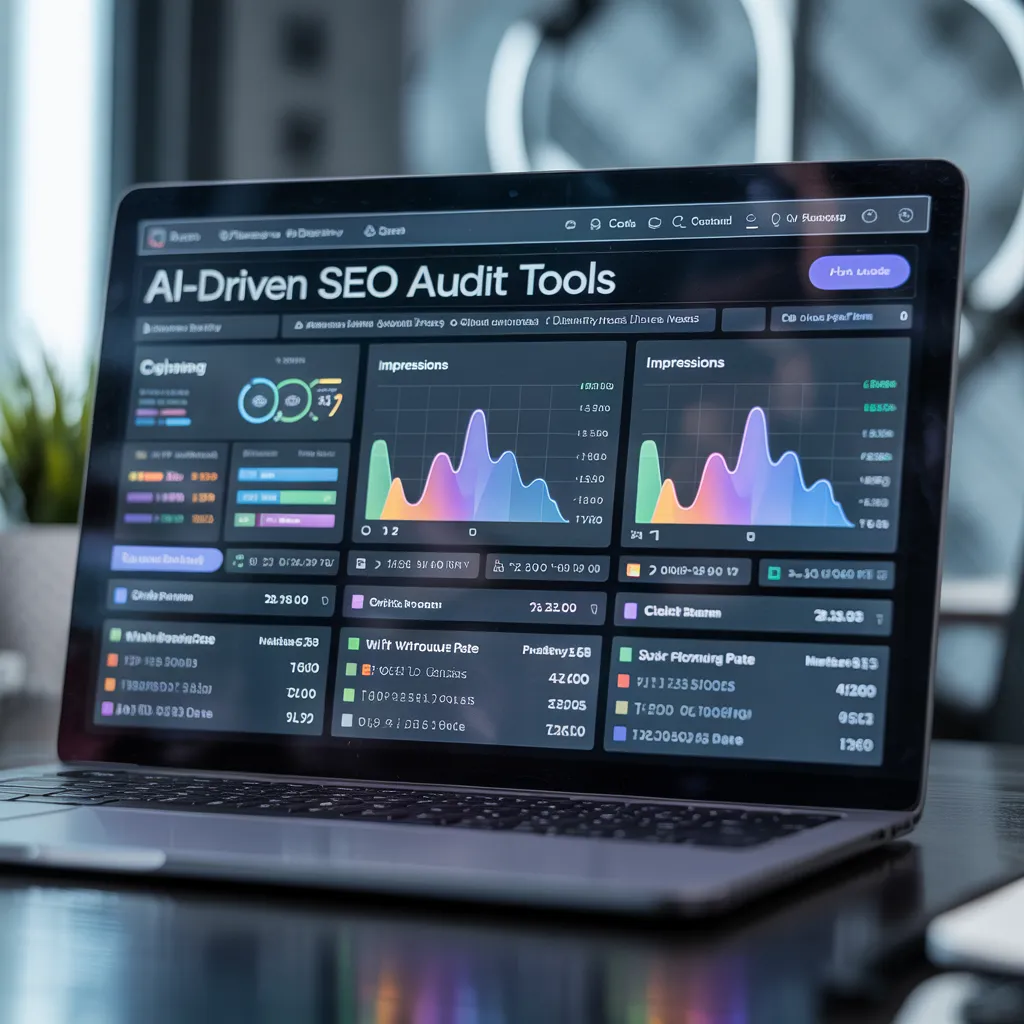
How an AI Visibility Audit Elevates Your Brand's Online Presence
An AI Visibility Audit can markedly enhance a brand's digital footprint by uncovering gaps and opportunities within digital visibility. By employing cutting-edge algorithms, the audit evaluates diverse online channels and platforms, pinpointing areas where the brand may be underperforming. This assessment includes search engine ranking, website performance, and social media engagement, offering a comprehensive overview of digital health.
The knowledge obtained from the audit allow brands to enhance their strategies, making sure that content meets audience expectations and search trends. Refining keywords and improving user experience can result in greater visibility, reaching a more extensive audience. Moreover, brands can discover competitive advantages, helping them to stand out more prominently in the marketplace. Ultimately, an AI Visibility Audit serves as a catalyst for transformation, empowering brands to adapt and thrive in an increasingly digital landscape. This strategic approach promotes sustainable growth and elevates overall brand recognition.
Why an AI Visibility Audit Is a Game-Changer for Your Brand
How can brands truly harness the power of their online presence? An AI visibility audit emerges as a pivotal tool in this endeavor. By leveraging advanced algorithms and data analytics, brands can gain a thorough understanding of their digital footprint. This process not only illuminates where a brand stands in the vast online landscape but also reveals untapped opportunities for engagement and growth.
An AI visibility audit offers practical insights, empowering brands to sharpen their strategies through real-time data. This proactive approach helps identify strengths and weaknesses, ensuring that brands can effectively allocate resources to enhance visibility. Additionally, it encourages a more flexible response to market shifts, allowing brands to adjust rapidly and maintain a competitive edge. In the end, incorporating an AI visibility audit into brand strategy reshapes how companies engage with their audience, resulting in lasting growth and a more powerful market presence.
Identifying Visibility Gaps With AI Tools
Recognizing visibility gaps is critical for brands seeking to strengthen their online presence. Artificial intelligence tools can thoroughly assess search engine rankings, monitor social media performance, and analyze content metrics to identify these gaps. By leveraging this data, brands can develop targeted strategies to improve their overall visibility.
Assessing Search Engine Rankings
Assessing search engine rankings exposes critical visibility gaps that organizations often fail to notice. Through employing AI-powered solutions, firms can analyze their standings across multiple keywords and identify where they come up short against competing businesses. Such an analysis reveals not only the keywords that generate traffic but also identifies overlooked opportunities in trending searches. Advanced AI systems can sort through extensive datasets, detecting content areas requiring optimization. Additionally, these tools can measure key page metrics, such as click rates and user exit data, to gauge user engagement. Comprehending these intricacies allows businesses to improve their approaches, allowing them to gain higher volumes of organic traffic and boost their online footprint, resulting in stronger brand presence and acknowledgment.
Assessing Social Media Presence
What elements drive a brand's presence on social media? Essential components encompass content relevance, audience demographics, and engagement rates. An AI-driven visibility audit can precisely pinpoint gaps by examining these key elements. AI-powered solutions examine posting frequency, ideal timing, and platform-specific strategies to enhance reach. Such solutions can additionally assess competitor performance, revealing opportunities for differentiation. Through the use of sentiment analysis, brands can gauge public perception and adjust their messaging accordingly. Moreover, artificial intelligence can identify trending topics and hashtags, enabling brands to align their content with current conversations. In the end, utilizing AI-powered tools delivers meaningful insights, allowing brands to refine their social media strategies and improve overall visibility in a competitive landscape.
Assessing Content Performance Metrics
Analyzing content performance metrics is fundamental for companies seeking to enhance their reach on social media. By leveraging artificial intelligence solutions, organizations can methodically assess essential benchmarks such as interaction levels, content reach, and conversion metrics. Such data enables brands to identify visibility gaps in their marketing approach. For illustration, AI can highlight ineffective posts or content categories, enabling brands to pivot their direction effectively. Moreover, examining audience insights and patterns through AI-driven tools supports the creation of targeted content that engages more effectively with particular audiences. At its core, a detailed evaluation of digital performance data not only guides future content creation but also improves resource distribution, allowing companies to sustain a competitive edge in an ever-evolving online environment.
How Do AI Insights Expose Customer Engagement Patterns?
AI insights are essential in identifying patterns of customer engagement by effectively analyzing engagement metrics. This examination enables the instant recognition of behavioral trends, allowing companies to respond proactively. Furthermore, such insights support the forecasting of upcoming engagement patterns, enhancing broader customer experience approaches.
Understanding Engagement Metrics Effectively
Engagement metrics play a pivotal role in revealing customer behavior trends, providing invaluable insights that drive marketing strategies. Through the analysis of data including click-through rates, social media engagement, and website dwell time, businesses can gauge how effectively their content resonates with their audience. Artificial intelligence tools facilitate the recognition of these patterns by analyzing vast amounts of data with speed and precision. These tools identify which content formats drive the highest engagement and pinpoint peak activity periods, enabling marketers to refine their strategies. Moreover, AI technology can divide audiences based on their levels of interaction, helping brands to refine their messaging. In the end, thorough analysis of engagement metrics enables businesses to strengthen customer relationships and boost overall marketing performance.
Spotting Behavioral Trends Right Away
As companies look to improve their marketing approaches, the power to detect behavioral shifts in real-time grows increasingly important. AI insights serve as a powerful tool for uncovering customer engagement patterns, enabling brands to monitor interactions across multiple channels. Through the examination of data including browsing behavior, purchase records, and social media engagement, AI systems can reveal which products or services attract the most attention. This rapid detection of trends empowers organizations to modify their marketing campaigns promptly, concentrating on what connects with their target market. Moreover, grasping these behavioral insights supports organizations in sharpening their messaging and enriching customer interactions, ultimately leading to increased loyalty and sales. Such insights are invaluable for staying ahead in a competitive landscape.
Projecting Future Interaction Behaviors
Analyzing customer behavior is essential for recognizing current trends but also plays a pivotal role in forecasting future interactions. AI insights analyze vast datasets, exposing patterns such as optimal interaction periods and favored communication methods. By analyzing historical behavior, AI detects patterns that reveal how customers might react to future marketing efforts. For instance, if a brand notices increased engagement during specific promotions, it can tailor future campaigns accordingly. Additionally, AI can segment audiences based on predicted behavior, allowing for personalized marketing strategies. This proactive approach not only improves the customer experience but also streamlines resource distribution, ensuring that brands remain flexible and agile in an ever-evolving market landscape. Ultimately, employing AI to predict customer interactions fosters brand loyalty while fueling business growth.
Enhance Your Marketing Strategies Using AI Insights
Leveraging AI insights can considerably improve marketing strategies, allowing businesses to make data-driven decisions with accuracy. By analyzing large volumes of data, AI can detect consumer preferences, patterns, and behaviors that guide focused campaigns. This depth of analysis allows marketers to tailor content, ensuring it connects with defined audience segments, thus boosting conversion rates and engagement.
Furthermore, AI can maximize advertising budgets by forecasting which mediums produce the highest ROI. It supports real-time adjustments to advertising campaigns, guaranteeing that promotional activities continue to be dynamic and reactive to fluctuating market landscapes. Data-driven insights can further enhance customer loyalty strategies by detecting potential churners, permitting organizations to apply immediate retention tactics.
Embedding AI-powered insights cultivates a forward-thinking approach to marketing, ultimately accelerating business growth and brand loyalty. As companies embrace this technology, they place themselves as leaders in the competitive market, optimizing their overall marketing effectiveness.
How to Put Your AI Visibility Audit Findings to Effective Use
Utilizing results from an AI visibility audit necessitates a deliberate framework to ensure discoveries convert into practical outcomes. Organizations should begin by prioritizing the key findings that align with their business objectives. Such ranking allows for targeted distribution of resources and improves the impact of future efforts.
Subsequently, converting data-driven findings into precise, trackable targets is essential. For example, if a review reveals low engagement on social media platforms, a business might establish a goal to increase interactions by a specific percentage within a set timeframe.
Execution ought to involve multi-team coordination, ensuring that marketing, sales, and customer service teams are unified in their approach. Regularly revisiting and adjusting strategies grounded in continuous performance data can promote ongoing advancement.
Finally, recording the process and results aids in improving future audits and upholding a cycle of ongoing improvement. By adhering to these steps, brands can successfully leverage their AI visibility audit findings for optimal impact.
Common Questions and Answers
How Frequently Should I Perform an AI Visibility Audit
An AI visibility audit ought to be carried out a minimum of two times annually to guarantee peak performance and relevance. Regular assessments allow organizations to adapt to emerging AI technologies and changing market requirements. Additionally, significant changes, such as updates to algorithms or shifts in consumer behavior, may necessitate more frequent audits. This proactive approach helps maintain a strong online presence and effectively aligns strategies with the latest industry standards. Maintaining consistent audit schedules is fundamental to achieving lasting success.
What Tools Are Best for Performing an AI Visibility Audit
Multiple tools stand out when it comes to performing AI visibility audits. Google Analytics offers detailed information regarding website traffic and user behavior. SEMrush provides comprehensive SEO analysis, while Ahrefs evaluates backlink profiles and keyword rankings. Moz's tools prove valuable for monitoring domain authority and search engine visibility. Furthermore, Screaming Frog assists with technical SEO audits, guaranteeing optimal site performance. Combined, these resources empower organizations to analyze and strengthen their online presence effectively.
How Can Small Businesses Gain From an AI Visibility Audit?
Small businesses can absolutely gain significant advantages from an AI visibility audit. This approach enables them to uncover weaknesses in their online presence, refine their digital strategies, and boost customer engagement. By utilizing the findings from the audit, small businesses can enhance their search engine rankings and customize their marketing efforts to more effectively reach target audiences. Ultimately, an AI visibility audit empowers small businesses to compete more effectively in a digital landscape dominated by larger companies.
How Long Does It Take to See Results From an AI Audit?
Results from an AI audit typically begin to manifest within three to six months, though this timeline may differ depending on a number of factors. The intricacy of the business, the breadth of the audit, and the application of suggested changes all contribute significantly. Even though some modest gains may be visible in a shorter timeframe, significant advances in reach and effectiveness commonly necessitate a long-term commitment to incorporating the recommendations obtained from the audit.
What Costs Come With an AI Visibility Audit?
The expenses related to an AI visibility audit can vary greatly depending on a number of factors. Typically, businesses may expect to spend between a few thousand and tens of thousands of dollars. Factors influencing the price include the scope and complexity of the audit, the scale of the business, and the specific tools or expertise required. Additionally, ongoing maintenance and updates may incur further expenses, making it essential to budget accordingly for thorough evaluation and enhancement.